

Planning a wedding budget is usually harder than couples expect because the final cost depends on more than the venue rental price. Two venues can look similar online, but the actual numbers may differ significantly once guest count, date, catering, rentals, staffing, décor, setup, cleanup, and coordination are factored in.
That is why it helps to understand the biggest cost drivers before you start comparing venues. For most couples, the three main factors that affect the wedding budget are guest count, wedding date, and the venue package. Once those are set, the rest of the budget comes down to where you choose to spend and where you choose to save.
Villa Tuscana in Mesa, Arizona, offers indoor and outdoor wedding spaces, Tuscan-inspired reception halls, wedding packages, professional staff support, and pricing based on the event date and number of guests. The venue also offers an interest-free payment plan, which can make budgeting easier for couples who want to spread payments out before the wedding.
Understanding these factors early can help you make better decisions, avoid surprise costs, and choose a wedding plan that fits the experience you actually want.
Guest Count Affects Almost Every Part of the Budget

Guest count is one of the biggest drivers of wedding budget because so many costs are tied to the number of people attending. Each additional guest can affect catering, bar service, seating, linens, place settings, cake, desserts, favors, staffing, and setup needs.
This is where couples often underestimate the real cost of adding people to the list. Adding 25 guests does not only mean adding 25 meals. It can also mean more tables, more chairs, more centerpieces, more servers, more drinks, more invitations, and more space needed for the reception.
The best way to manage this is to build your guest list in layers. Start with the people who absolutely need to be there, including immediate family, closest friends, and anyone who plays a meaningful role in your life. From there, create a second group of extended family, friends, coworkers, and optional plus-ones.
Couples should also decide early how they want to handle plus-ones and children. Those two categories can quickly change the final count. A clear rule makes the process less stressful and keeps the budget more predictable.
Guest count also affects the type of space you need. A wedding with 75 guests should still feel full and intentional. A wedding with 250 guests requires enough space for dinner, dancing, photos, guest movement, and a smooth event flow.
Villa Tuscana’s reception halls feature Tuscan décor and can comfortably host up to 300 guests, giving couples room to plan both smaller and larger celebrations without sacrificing the elegance of a dedicated event space.
Your Wedding Date Can Change the Price
The date you choose can have a major impact on the wedding budget. Popular dates usually cost more because demand is higher. Saturdays, peak wedding seasons, holiday weekends, and evening receptions are often the most competitive.
Couples who have flexibility may find more room in the budget by considering Fridays, Sundays, weekdays, off-season dates, or daytime events. The wedding can still feel beautiful and complete, but the pricing may be more manageable depending on the venue’s availability and package structure.
In Arizona, the season matters for comfort as well as cost. Spring and fall are popular because the weather is often more comfortable for outdoor ceremonies and photos. Summer may require more focus on indoor comfort, timing, and guest experience, which is covered in detail in our guide to planning a summer wedding in Phoenix.
An indoor ceremony can also be the more cost-effective choice in the hotter months. It gives you more flexibility when scheduling and creates a more controlled setting for you and your guests.
Villa Tuscana offers both indoor and outdoor wedding options, which gives couples more flexibility when planning around Arizona weather. A couple may choose an outdoor ceremony with an indoor reception, or they may plan the full event indoors during warmer months.
The key is to decide whether the date itself matters more than the overall experience. If you are set on a specific Saturday, you may need to adjust the guest count or package. If you care more about staying within a target budget, ask the venue to show you multiple date options.
Package Inclusions Can Change the Real Cost
Wedding packages can make a big difference in the final budget because they determine what is already included and what you still need to pay for separately.
Some venues only provide the physical space. In that case, couples may still need to coordinate catering, tables, chairs, linens, décor, staff, setup, cleanup, coordination, security, bar service, and outside vendors. Other venues offer more comprehensive packages that bundle key services.
This is why couples should compare the full estimated cost rather than just the starting venue price. A venue with a lower rental fee may end up costing more once all outside vendors and rentals are added. A package that looks higher upfront may include more of what you need.
Villa Tuscana offers wedding packages, including an all-inclusive Deluxe package described as convenient and stress-free. The venue also states that the package can be customized by removing vendors for credit and allowing couples to provide their own vendors.
That kind of flexibility matters. Some couples want the ease of having more services included. Others may already have a photographer, DJ, florist, or other vendor they want to use. The ability to customize the package can help couples balance convenience and personal preference.
When comparing packages, ask specific questions. Find out whether tables, chairs, linens, setup, cleanup, décor, staff, coordination, catering, bar service, bridal suite access, ceremony space, and reception space are included. Ask what costs extra, how many guests are included, and how pricing changes if your guest count increases.
You should also ask about taxes, service charges, gratuities, outside vendor fees, insurance requirements, payment deadlines, and final balance timing. These details can change the budget, even when the package price looks clear at first.
How These Three Factors Work Together
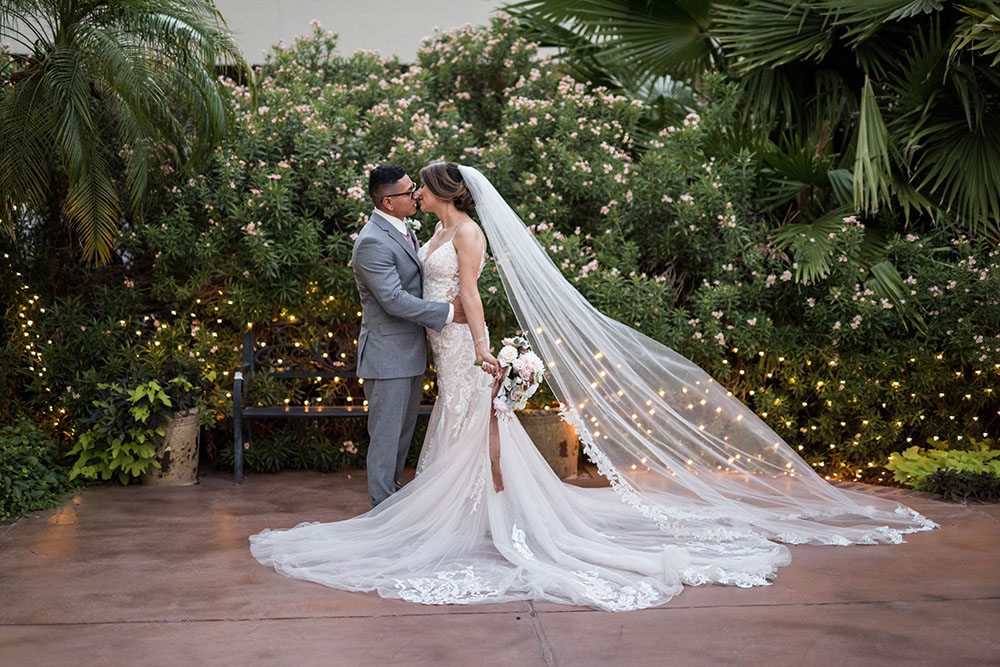
A large Saturday wedding with an all-inclusive package will have a different budget than a smaller Friday wedding with a simpler package. A couple who wants to invite more guests may choose a more flexible date. A couple set on a peak-season Saturday may decide to keep the guest list tighter. Another couple may choose a more complete package because they want fewer outside vendors to manage.
If having everyone there is the priority, the guest count may drive the rest of the planning. If the dream date is most important, the package and guest count may need to adjust around it. If convenience matters most, an all-inclusive package may be the best fit even if the starting number looks higher than a venue-only rental.
Villa Tuscana’s indoor and outdoor spaces, package options, vendor flexibility, and payment plan give couples several ways to shape the wedding around their budget and priorities. The reception halls already have a Tuscan-inspired character, which can help couples create an elegant setting without relying on excessive décor.
Decide What Matters Most Before You Start Cutting
Once the three main factors are set, the rest of the budget is a series of choices about priorities. The couples who stay on budget are usually the ones who decided early what they were not willing to compromise on, then economized everywhere else.
Start by being realistic about the total. Overspending or forgetting whole categories causes more stress than any single line item. Planning well ahead gives you time to get real numbers rather than estimates.
Then make two lists with your partner. The first is what you both consider essential and cannot imagine the day without. The second is everything else. The second list is where savings come from, and because you agreed on it together, cutting from it does not feel like a loss.
A few places couples commonly save without guests noticing:
- Serving a signature cocktail instead of stocking a full bar. If there is a drink you both love, sharing it with guests is a nice touch as well as a cheaper one.
- Choosing a date outside peak season or on a weekday
- Keeping centerpieces low and simple in a room that already has architecture worth looking at
- Trimming the guest list slightly rather than cutting a category you care about
- Using digital save-the-dates and invitations
Build some flexibility in as well. Weddings have a lot of moving parts, and even a carefully planned day will have something that does not go to plan. A budget with a small contingency and a willingness to substitute is far less stressful than one planned to the last dollar.
Thrifting Décor to Stretch the Budget Further

Décor is one of the easiest places to lower costs, because most wedding décor is bought for one day, used for a few hours, and then stored or resold. Thrift stores, estate sales, Facebook Marketplace, wedding resale groups and antique shops are full of pieces that look beautiful and cost a fraction of new.
Used well, thrifted details make a wedding feel personal rather than cheap. The difference is planning.
Start With a Style Plan, Not a Bargain
Thrifting without a plan leads to scattered purchases. It is easy to buy something inexpensive because it seems like a good deal, then find later that the color, finish or size does not work with anything else.
Before you shop, settle on a clear look and a color palette. Then pick two or three material types, such as glass, brass, wood, ceramic or linen, and stay with them. That one decision is what makes secondhand pieces look planned instead of random.
Match what you buy to the venue as well. A room that already has strong décor and lighting may only need frames, candleholders and signage to feel personal. A courtyard suits lanterns, baskets and soft candle-style accents.
What Is Smart to Thrift

The best thrifted pieces are the ones guests see in groups or from a distance:
- Clear glass bud vases, ceramic vases and small compotes
- Brass candlesticks, glass hurricanes and lanterns
- Gold and wood frames for table numbers, menus and signage
- Vintage mirrors for a seating chart
- Card boxes, baskets, trays and decorative books
- Attire accessories such as a clutch, hair comb, jewelry, cufflinks or a wrap
- Getting-ready details for photos, including ring boxes, hangers and champagne glasses
Mismatched clear vases look intentional when they hold the same flower. Brass candlesticks work well at varied heights. Grouped pieces almost always look better than single items scattered around the room.
Make a list before you shop, divided by area, with quantity goals attached. Twelve to twenty bud vases, ten to fifteen frames, eight to twelve candlesticks, one large mirror, one card box. Bring measurements and color swatches, and skip anything that needs significant repair or repainting to work.
Check the venue’s rules on open flames before committing to candles. If open flames are not permitted, LED candles give a similar look without the restriction.
What Not to Thrift

Two categories are usually not worth the saving.
The first is anything that affects guest comfort or safety: unstable furniture, old electrical lighting, damaged extension cords, unsafe candle holders, fragile glass in high-traffic areas, or worn rugs that could trip someone. A wobbly display table or a cracked lantern causes more problems than it solves.
The second is anything that needs to match in large quantities. A few mismatched frames look charming. Mismatched dinner plates, flatware, water glasses, napkins, full table linens or chairs usually just look disorganized. Core table settings are better handled through the venue or a rental partner, where consistency and quantity are guaranteed.
Villa Tuscana includes linens, chair ties and centerpiece options in every package, with no upgrade fees on décor, so the pieces that need to match are already covered. That leaves thrifting for the accents that add personality.
Making It Look Intentional
Repetition is what separates a styled room from a cluttered one. Use one metal finish. Stay with one glass type and one wood tone. Keep the floral palette consistent.
Group thrifted pieces by purpose rather than spreading them everywhere: the welcome table, the memory table, the dessert table, the guest book, the bar menu, the ceremony entrance. Use larger statement pieces sparingly, and give them room.
The best results come from mixing thrifted accents with professional elements. The venue, linens, florals and lighting carry the room; the thrifted pieces carry the personality.
How to Compare Wedding Venues Fairly
When comparing venues, avoid comparing one venue’s base rental price to another venue’s package price. That will not give you a fair picture.
Instead, create a simple side-by-side comparison that includes the full estimated total. Look at the venue rental, guest count, catering, bar service, tables, chairs, linens, décor, staff, setup, cleanup, coordination, ceremony and reception spaces, bridal suite, vendor flexibility, payment schedule, and final estimated cost.
This is also the time to ask how the venue handles changes. Find out when the final guest count is due, whether you can adjust the package, what happens if you add guests, and when payments are required.
Budgeting is easier when you know what is included before you book. It is much harder to control costs after you have already committed to a venue and started adding missing pieces one vendor at a time.
A Clear Wedding Budget Starts With the Right Questions
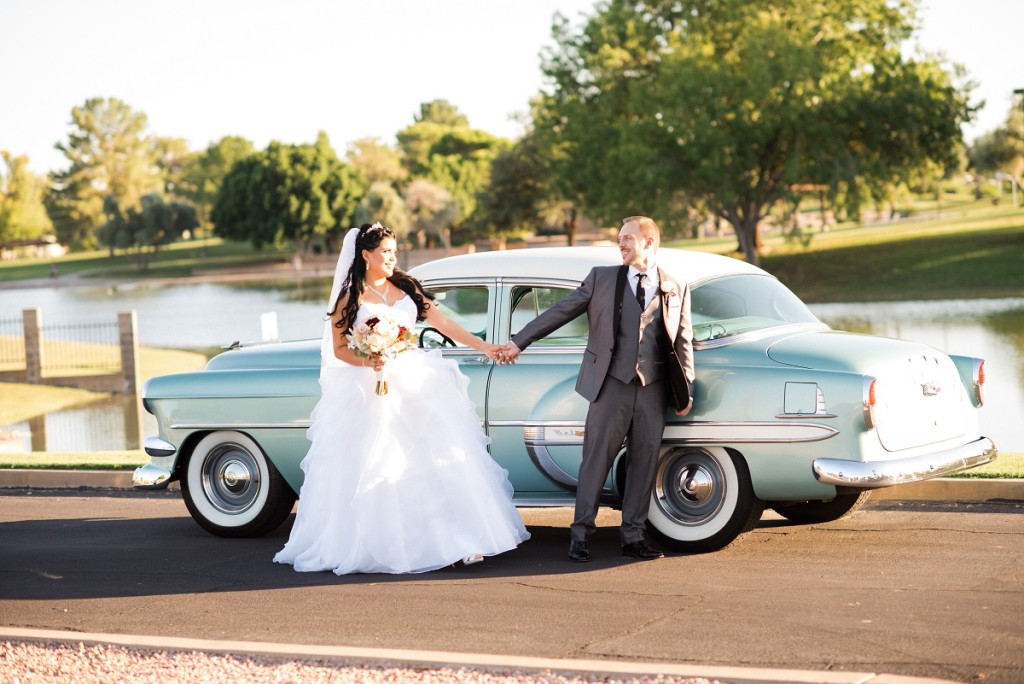
Your wedding budget will be shaped most by guest count, date, and package inclusions. Once you understand those three factors, the rest of the planning becomes easier to manage.
Start with a realistic guest list. Ask for pricing across multiple dates. Compare the full package value rather than just the starting venue price. Make sure you understand what is included, what costs extra, and how payments are handled. Then decide together what you are not willing to compromise on, and save everywhere else.
Villa Tuscana helps couples plan with more confidence by offering indoor and outdoor wedding spaces, Tuscan-inspired reception halls, package options, vendor flexibility, and custom estimates based on date and guest count. See current pricing or schedule a tour to get a figure for your own date and guest count.
FAQs
What are the biggest factors that affect a wedding budget?
How does guest count affect wedding cost?
Does the wedding date change the price?
Are all-inclusive wedding packages worth it?
Where can couples save money without guests noticing?
Can you thrift wedding décor and still have an elegant wedding?
What wedding items should I avoid thrifting?
How far in advance should I start thrifting?
What should couples ask before booking a wedding venue?
Table of Contents
Request an Accurate Quote
Please include your contact details, event date and amount of guests.
- Pricing is determined by your event date and amount of guests.
- Wedding packages can be customized to fit your needs and budget.
- Villa Tuscana offers interest-free monthly payment plans
Office Hours
Monday: 11:00 am – 7:00 pm
Tuesday: 11:00 am – 7:00 pm
Wednesday: 11:00 am – 7:00 pm
Thursday: 11:00 am – 7:00 pm
Friday & Saturday: 10:00 am – 1:00 pm
Sunday: Closed
Address: 1915 W Guadalupe Rd Mesa, AZ 85202
Phone: (480) 839 2727
FAX: (480) 839 2728


